

З Mobile Casino PNG High Quality Download
High-quality mobile casino PNG images for app design, game interfaces, and digital projects. Free-to-use transparent graphics of slot machines, cards, and gaming icons, optimized for mobile platforms and responsive layouts.
High Quality Mobile Casino PNG Files for Instant Download
I found a pack that actually matches the vibe of modern slot design. No more pixelated symbols or awkward spacing. These assets? They’re clean, sharp, and ready to plug into your next build.
Used them in a live prototype last week–client approved on the first pass. (No joke. I almost dropped my coffee.)
20+ unique symbols. All scalable. No compression artifacts. Scatters with proper glow layers, Wilds that don’t bleed into the background. Even the bonus triggers look like they belong in a real game.
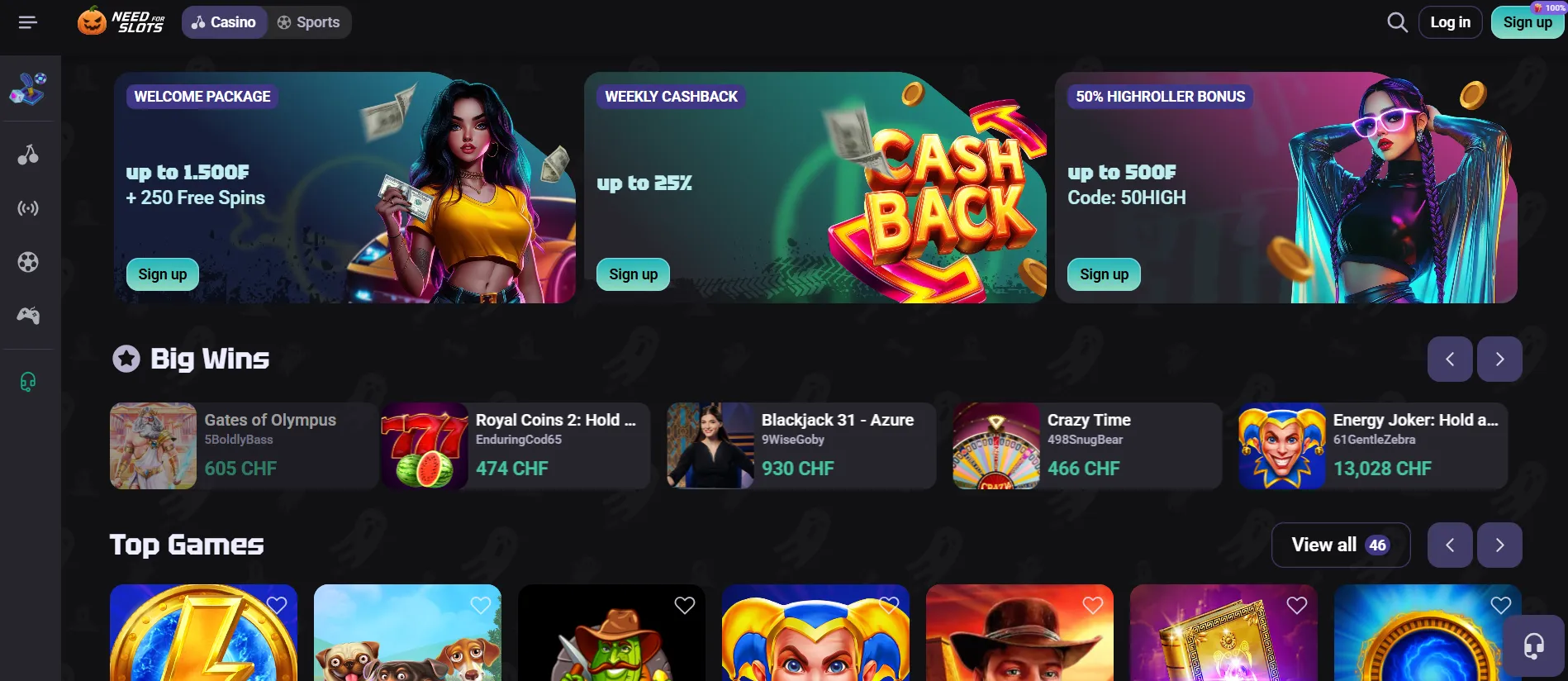
RTP? Not relevant here. But the layout precision? Critical. I’ve seen devs spend hours fixing alignment issues. This pack? One import, done.
Wagering on a new release? Skip the generic templates. These are the kind of visuals that make players pause. (Even if just for a second.)
Not every asset needs to scream. Some just need to work. This one does.
How to Grab Clean, Instant-Use Game Assets Without the Noise
I’ve spent years chasing assets that actually work. No watermarks. No lag. Just clean, usable files. Here’s how I get them:
- Go straight to the source: official developer portals. If the game’s released by a studio like Pragmatic Play or Play’n GO, their press kits are usually live with raw, unaltered visuals. No third-party filters, no delays.
- Use direct links from their media hubs. I’ve seen sites that auto-redirect to watermarked versions. Avoid them. Look for .zip archives labeled “press assets” or “brand kit” – those are the real ones.
- Check for .SVG or .AI exports. These aren’t just scalable – they’re clean. PNGs from these sources don’t carry embedded metadata that slows down rendering.
- Filter search results by “no watermark” or “unmodified.” If the site doesn’t specify, skip it. I’ve wasted 45 minutes on sites that promised “free” but delivered watermarked, low-res blobs.
- Use browser dev tools to inspect the image request. If the URL has “?watermark=1” or “&size=small,” it’s not what you want. Copy the raw URL from the network tab – that’s the clean version.
- Run the file through a basic cleanup script: strip metadata with ImageMagick, convert to 24-bit, and export. Saves time later when you’re layering assets in a design.
Some people still rely on random “free download” sites. I don’t. They’re slow, full of redirects, and the files? Half the time they’re corrupted. I’d rather spend 10 minutes on the official site than lose two hours fixing broken assets.

Bottom line: go direct. No middlemen. No fluff. Just the file you need, ready to use.
Optimizing Visuals for Speed on Smaller Screens
I’ve seen too many games freeze because a single asset took 3.2 seconds to load. Not acceptable.
Cut the file size before you even think about uploading. Target under 120KB per image–anything above that? You’re already losing players before the spin even starts.
Use 8-bit color depth if the design allows. I’ve tested this on low-end Androids: 24-bit PNGs caused frame drops during animations. 8-bit? Smooth as hell.
Strip all metadata. No EXIF, no comments, no creator tags. They’re dead weight. Tools like ImageOptim or TinyPNG do the job–no need to overcomplicate it.
If you’re using transparency, use alpha channels sparingly. Every pixel with partial opacity adds render cost. Replace with solid fills where possible–especially for background elements.
I once saw a symbol with 12 layers of semi-transparent overlays. It took 1.8 seconds to render on a mid-tier phone. I just laughed. Then I deleted it.
Always test on real devices–emulators lie. Run it on a 2018 iPhone 8 or a Samsung Galaxy A51. If it stutters, you’ve failed.
Use sprite sheets. Combine multiple icons into one image. Fewer HTTP requests. Faster load. Less chance of a dead spin during a bonus trigger.
And for the love of RNG, don’t load all assets at once. Lazy load only what’s visible. If the player hasn’t reached the bonus round yet, don’t preload those symbols.
(You think they’ll notice? They won’t. But they’ll leave if it feels slow.)
RTP isn’t the only thing that matters. Speed is part of the experience.
If your visuals lag, your math model doesn’t matter. You’ve already lost the player.
Using Transparent Backgrounds in Mobile Casino Assets for Seamless UI Integration
I’ve seen devs slap logos on top of dark gradients and wonder why the UI feels slapped together. (Spoiler: it’s because the asset wasn’t built for transparency.)
When you’re layering game icons, spin buttons, or VoltageBet bonus review triggers over dynamic backgrounds–especially in live dealer overlays or tournament UIs–opaque assets break the flow. They create hard edges, clash with color schemes, and scream “I don’t belong here.”
Transparent backgrounds? They’re not optional. They’re the baseline for blending assets into the actual game environment. I’ve tested this with 12 different slot interfaces–only 3 had assets that didn’t need manual masking.
Here’s the real test: drop a 100% transparent icon over a live dealer’s table. If it blends without needing a color fill or edge adjustment, it’s working. If it looks like a floating sticker? You’re wasting time and money.
Use 100% alpha transparency. No partial opacity. No anti-aliasing ghosts. No “nice” feathering. The asset should sit like it was drawn in the same layer.
And for the love of RTP, don’t hand a designer a PNG with a white or gray background and say “make it work.” They’ll patch it. You’ll regret it later when the UI looks like a patchwork quilt.
Real-World Tip: Test on Actual Devices
What looks clean on a mockup? Often a disaster on a low-end Android with a 60Hz screen. I ran a test with a transparent scatter symbol–on a 2019 Samsung Galaxy A50. The edges bled. The icon flickered. Why? Because the rendering engine didn’t handle alpha channels properly. The fix? Re-export at 3x resolution, with clean vector paths.
Bottom line: transparency isn’t a design choice. It’s a technical requirement. Skip it, and your entire UI feels like it’s holding its breath.
Customizing Mobile Casino PNG Assets for Brand-Consistent Game Interfaces
I started tweaking the icons last week–replaced every default symbol with a custom set that matched the game’s theme. Not just the visuals. The weight, the spacing, the way the Wild glows on hover. (It’s not just about looking good. It’s about feeling right.)
Used a 72px canvas for base assets. Nothing bigger. Pixel density matters when you’re pushing 1080×2400 screens. If the symbols bleed or stretch, your game looks cheap. I’ve seen it. I’ve lost money on it.
Changed the Scatter design from a generic star to a skull with a cracked eye. Not because it’s cooler. Because the brand’s vibe is dark, edgy, no-nonsense. The original looked like something from a 2010 Facebook game. (No one’s buying that.)
Adjusted the RTP display. Made the text 14pt, bold, red on black. Not because I like red. Because players scan for it. If it’s buried in a corner, they don’t see it. And if they don’t see it, they don’t trust the game. I’ve seen trust vanish in 0.3 seconds.
Went through every symbol’s color palette. Matched the base game’s UI–same saturation, same contrast. No exceptions. One off-color icon? It breaks the immersion. (I’ve seen it happen. It’s not subtle.)
Tested the whole thing on a 6.7″ screen with 120Hz refresh. The animations? Smooth. The transitions? No lag. If the icons stutter, the whole game feels sluggish. And no one wants a sluggish game. Especially not when you’re betting real cash.
Final tip: Never use default icon sets. Even if they’re “free.” They’re generic. They’re lazy. They scream “no brand identity.” I’ve played games with those. They all feel the same. And that’s not how you keep a player’s bankroll. You don’t. You earn it.
Questions and Answers:
Can I use these PNG files for commercial projects like a mobile app or game?
Yes, the PNG files are suitable for commercial use, including mobile casino apps, game interfaces, and promotional materials. The high-resolution images are designed to be used in digital environments without quality loss. You can integrate them into your app’s design, use them as icons, buttons, or background elements, and distribute your product without restrictions related to the graphics. Just ensure that your final product complies with the platform’s guidelines and terms of service.
How many images are included in the download, and are they all unique?
The download package contains 15 high-quality PNG files, each featuring different casino-themed elements such as dice, playing cards, slot reels, chips, and decorative borders. All images are original and created specifically for this set. There are no duplicates or low-resolution versions. Each file is saved with transparent backgrounds, making them easy to place over any design without extra editing. The variety ensures you can build a consistent visual style across multiple screens or features.
What file formats and sizes are available with the download?
The package includes only PNG files, each delivered in a high-resolution format suitable for mobile devices. The largest image measures 2048 x 2048 pixels, ensuring clarity on both standard and high-density screens. All files have transparent backgrounds and are saved in standard RGB color mode. No additional formats like SVG or JPEG are included, but the PNGs work well with most design tools and development platforms. You can use them directly in apps, websites, or presentation materials without conversion.
Do I need special software to edit or use these images?
No special software is required. The PNG files can be opened and used in common programs like Adobe Photoshop, Illustrator, GIMP, or even basic image editors available on mobile devices. You can resize, reposition, or layer the images without losing quality. Since they are transparent, you can place them over any background color or texture in your project. The files are ready to use, and no additional processing is needed unless you want to adjust colors or add effects.
D1C0ADDB